Large-loss disaster recovery
When the scale of the damage demands a full recovery operation
Multi-unit buildings, commercial properties, and major residential losses need more than a single crew — they need coordinated logistics, phased execution, and a team that can manage the complexity from first call to final walkthrough.
What large-loss recovery means
When does damage require large-loss disaster recovery?
A large-loss event is one where the damage, the timeline, or the logistics exceed what a single crew can manage. Multiple building systems are affected at once. Tenants or employees may still be on site. Property owners and managers can activate the full recovery operation with one call to (877) 537-3786 — insurance documentation built to the standard large-loss adjusters require, not assembled after the fact.
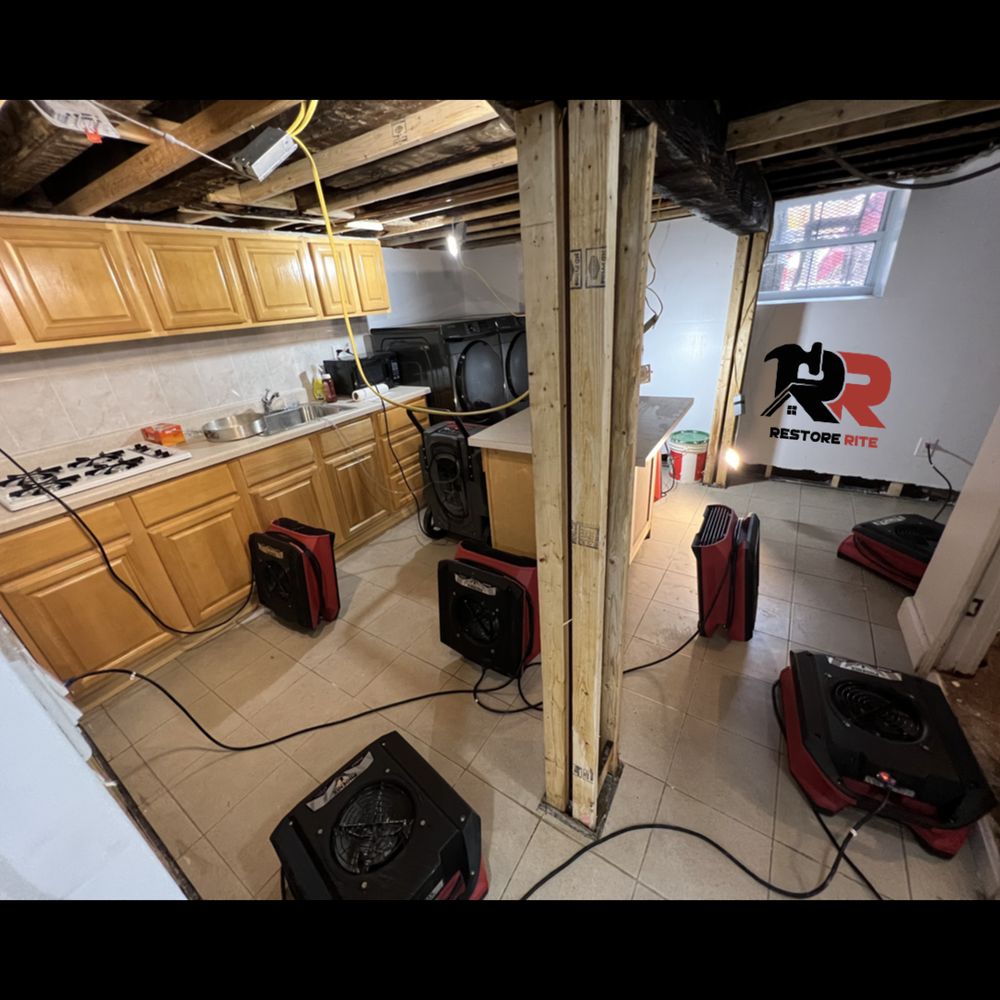
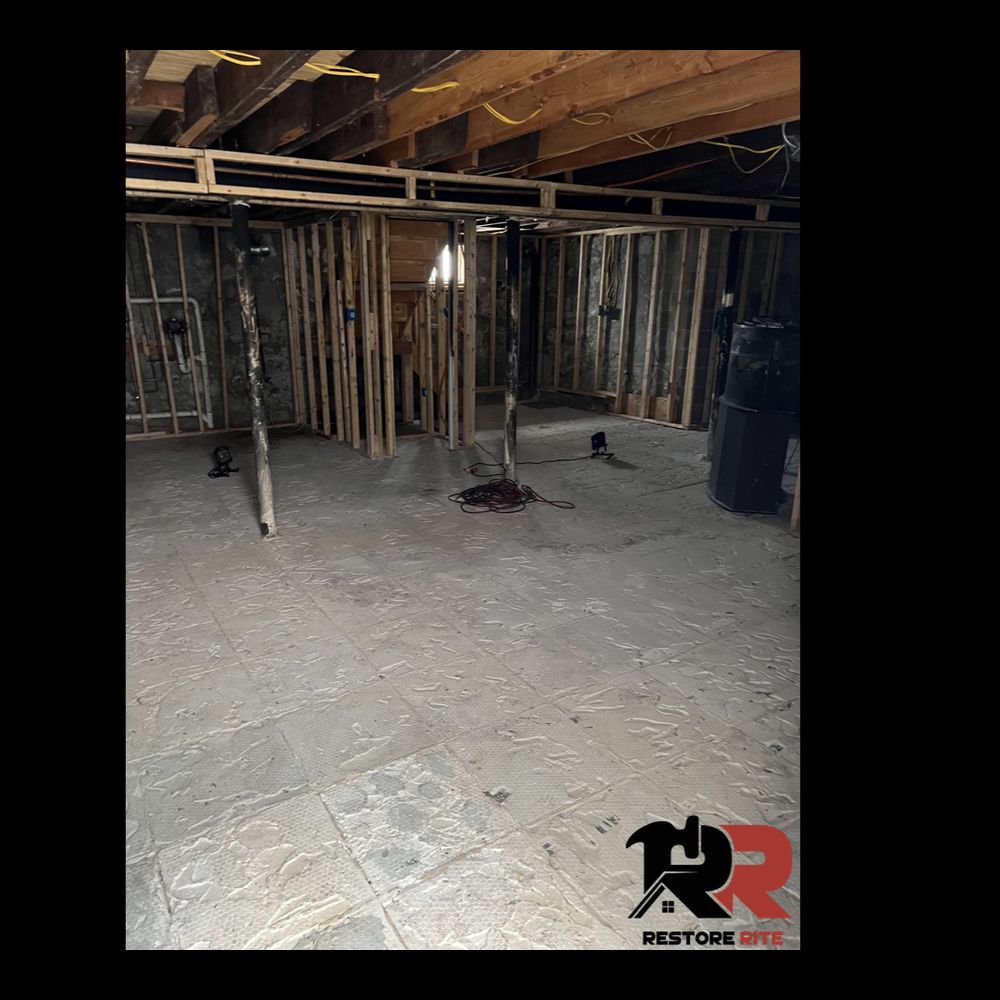
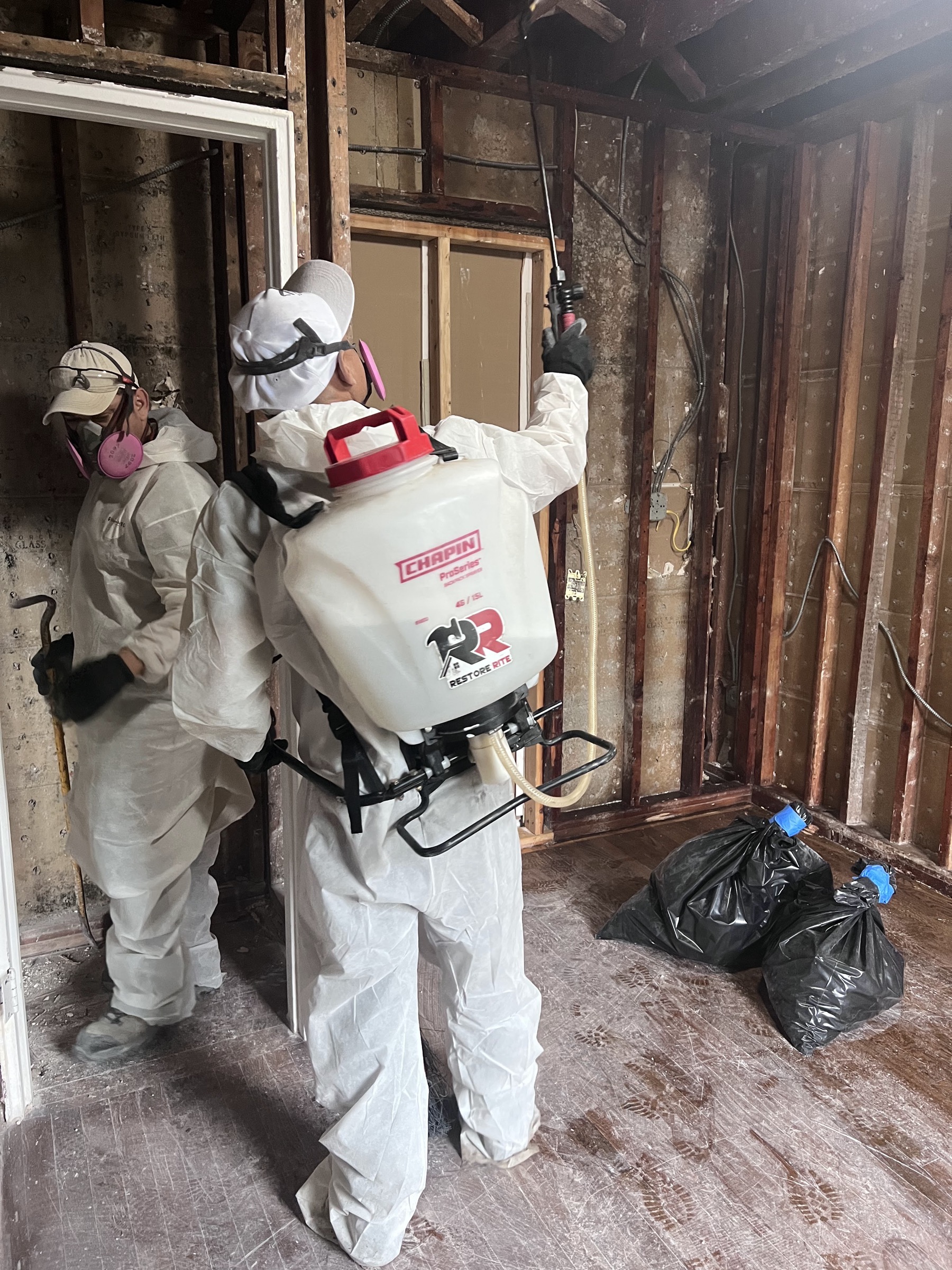
Restore Rite handles these projects as coordinated recovery operations, not a series of service calls. A dedicated point of contact is assigned from the first call. Crews are staged by phase and zone. Every day on site is logged and documented. The goal is a structured path from stabilization to restored use — with the property owner or manager informed at every step, not chasing updates.
"One call should activate the entire operation — not require the owner to coordinate it themselves."
The reality behind a major loss
Why is large-scale recovery a logistics operation first?
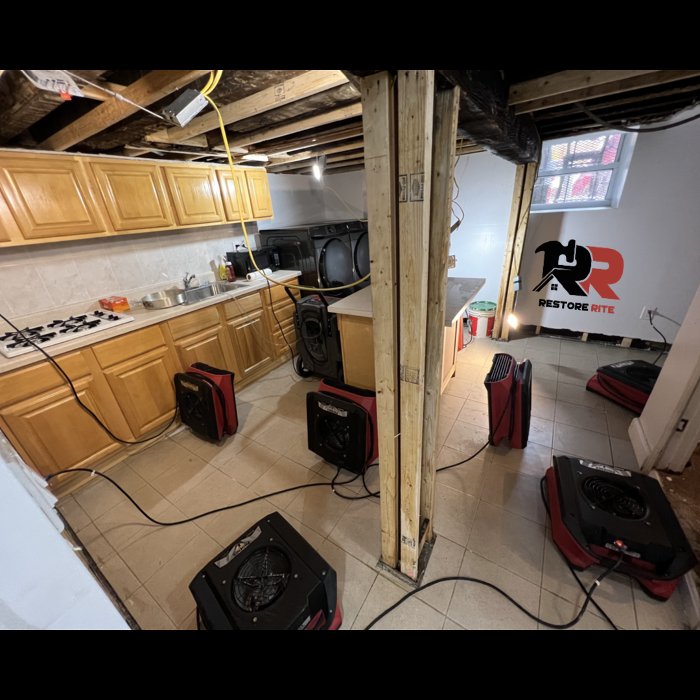
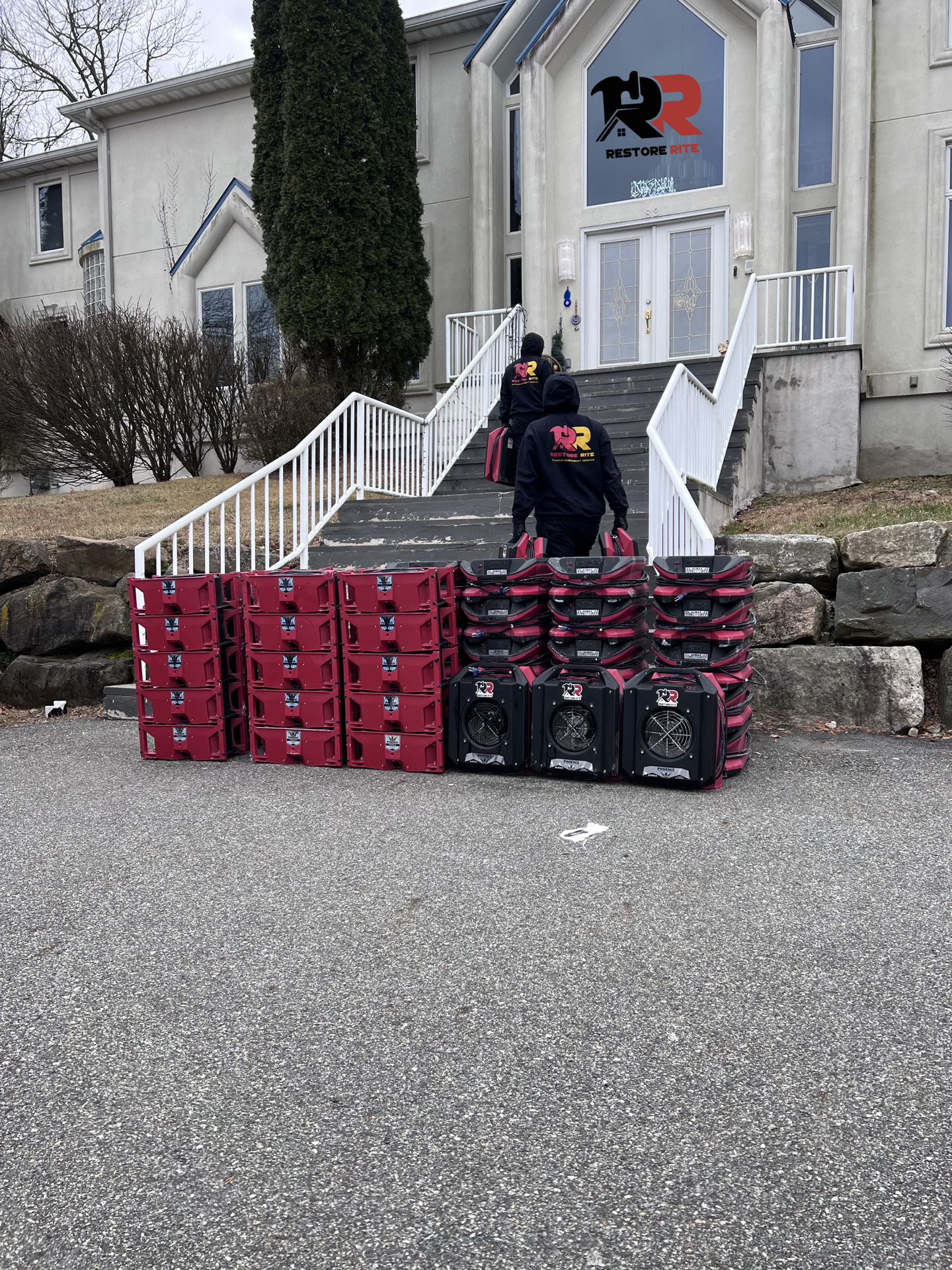
When a building suffers major damage, the first problem isn't the damage itself — it's the coordination required to address it safely. Multiple crews need to work in parallel without creating hazards for each other. Equipment has to be staged, moved, and monitored across zones. If tenants or employees are still occupying part of the building, containment barriers have to be maintained so the work doesn't disrupt them.
Insurance documentation for large-loss events runs deeper than a standard claim file. Adjusters expect moisture readings taken daily, photo logs keyed to specific areas, Xactimate-formatted scope reports, and a clear chain of custody for any contents removed from the site. Restore Rite builds that documentation from day one — not assembled in a rush before the adjuster walks through.
Managing all of this while also doing the physical work is what separates a large-loss contractor from a standard restoration crew. The technical skills are the same — the project management layer is what makes the difference between a recovery that runs smoothly and one that stalls in the middle.
On every large-loss project
What does Restore Rite manage from first call to final walkthrough?
Emergency stabilization
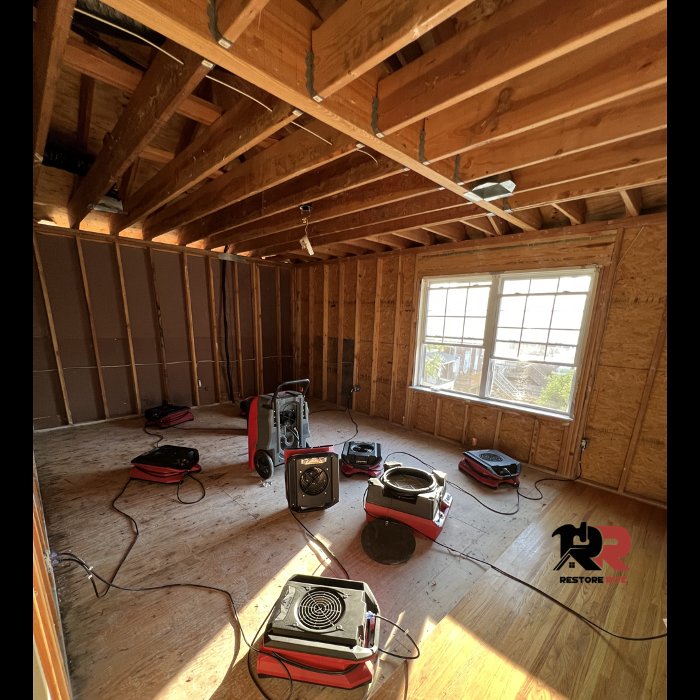
Crews on site fast to stop what's spreading — board-up, tarping, water extraction, and containment barriers before secondary damage takes hold.
Multi-crew coordination
Multiple certified crews deployed simultaneously across zones, with one project manager accountable for the full site and a daily schedule that keeps work moving.
Contents inventory and salvage
Itemized inventory of all affected contents, salvageable items packed out and stored, and a clear accounting of total versus partial losses for the claim file.
Insurance documentation
Daily moisture logs, photo documentation keyed to zones, and Xactimate-formatted scope reports built to the standard large-loss adjusters require — from day one.
Occupancy and safety management
When a building is partially occupied, containment and access protocols protect unaffected residents or tenants throughout the recovery without disrupting their use of the space.
Restoration and sign-off
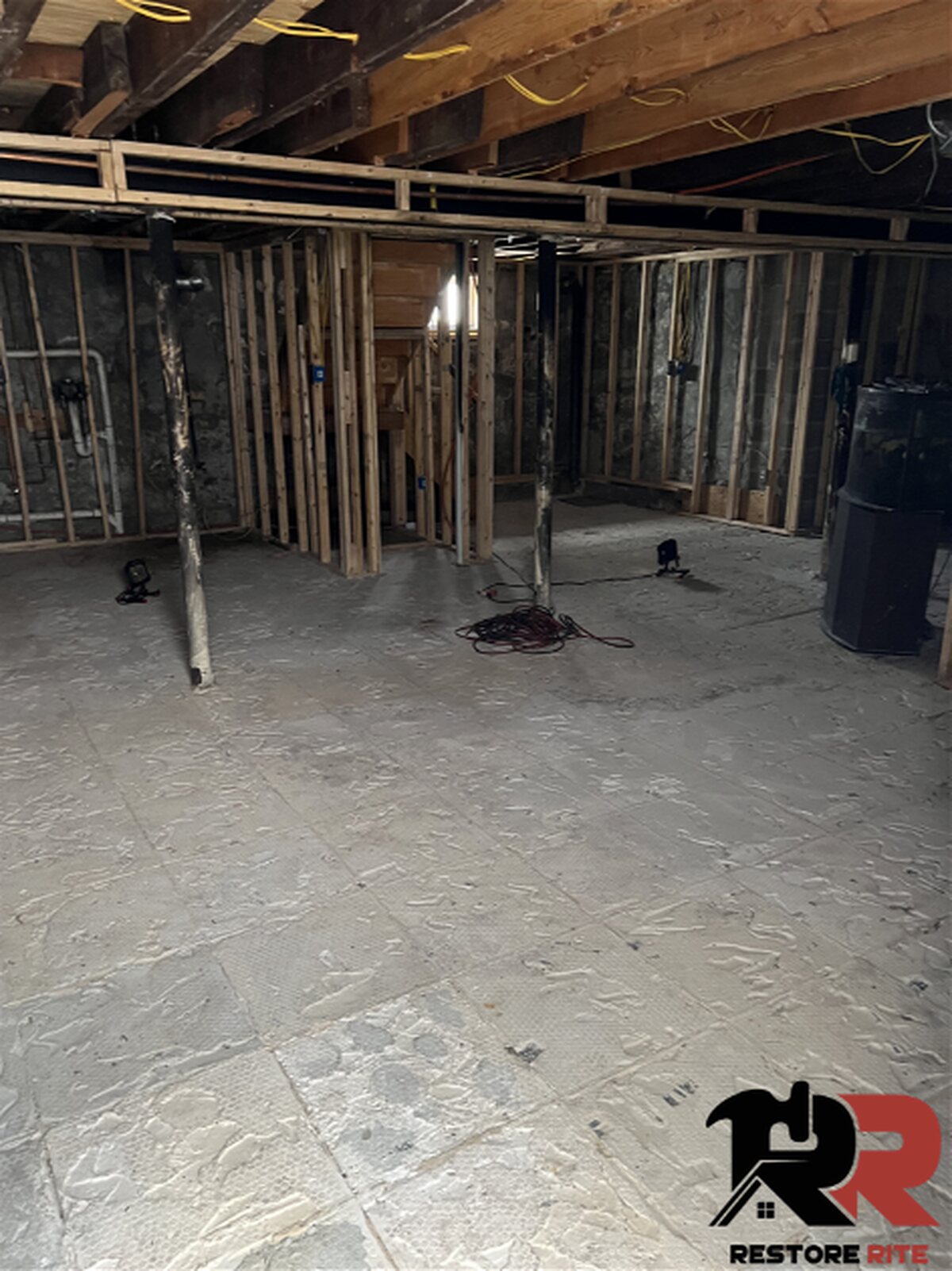
Full reconstruction to pre-loss condition — flooring, drywall, finishes, and trade coordination — with a final walkthrough and a complete close-out package for the insurer.
Common questions
Questions about large-loss disaster recovery in the Tri-State area
What qualifies as a large-loss disaster recovery project?
Large-loss projects involve damage scope, timeline, or logistics beyond a single crew — multi-unit buildings, commercial properties, or major residential losses affecting multiple systems at once. Restore Rite manages these as coordinated operations with one point of contact.
Does Restore Rite coordinate multiple crews on large commercial losses?
Yes. Multiple certified crews work in parallel across zones under one project manager. Daily schedules, moisture logs, and insurance documentation are maintained for the full site — not assembled per crew separately.
Can Restore Rite manage insurance documentation for large-loss claims?
Large-loss adjusters require Xactimate-formatted scope reports, daily moisture readings, photo logs keyed to zones, and contents inventories. Restore Rite builds this documentation from day one of a large-loss project across the Tri-State area.
What geographic area does Restore Rite cover for disaster recovery?
Large-loss disaster recovery is dispatched across NY, NJ, and CT. Availability is confirmed on each call at (877) 537-3786.
How is large-loss recovery different from standard restoration?
Standard restoration handles a single loss type in a defined area with one crew. Large-loss recovery adds multi-crew coordination, occupancy management during partial use, phased execution, contents pack-out at scale, and direct insurer billing across a multi-week timeline.
The critical window
Why do the first 72 hours matter in a large loss?
Moisture migrates through shared walls and HVAC systems within hours. Mold becomes viable in under 48. Smoke odor penetrates porous surfaces overnight. In a multi-unit or commercial building, every hour without containment adds scope to the project — and weeks to the timeline. Getting the right crews on site fast, with a clear plan, is what limits the damage to what it already is.
How large-loss recovery is structured
How is large-loss recovery structured across phases?
Every large-loss project moves through emergency stabilization, extraction and remediation, then restoration and rebuild. Restore Rite manages all three phases under a single contract — no handoffs between contractors, no gaps in accountability, and no surprises on the final bill. Related services like water damage restoration, fire damage cleanup, and mold remediation are coordinated within the same project.
Situations that qualify
- Commercial buildings after fire, flood, or major storm
- Multi-unit residential buildings with damage across several units
- Large single-family homes with full-structure water or fire loss
- Businesses that need to resume operations as quickly as possible
- Property managers coordinating across tenants and multiple insurers
- Insurance adjusters requiring structured large-loss documentation
Managing a large loss right now?