Mold remediation
Contain the mold and fix the moisture that caused it
Containment, removal, cleaning, and humidity control for properties affected by mold after leaks, flooding, humidity problems, or hidden water damage.
Understanding mold remediation
What does visible mold usually indicate?
Mold needs moisture to grow — a leak that was never fully dried, a humid crawlspace, a slow pipe drip behind a wall, or floodwater that wasn't extracted completely. Removing the mold without addressing the source means it comes back. Free inspections and 24/7 dispatch are available at (877) 537-3786 — Restore Rite treats both: contain and remove the growth, then identify and correct the conditions that allowed it.
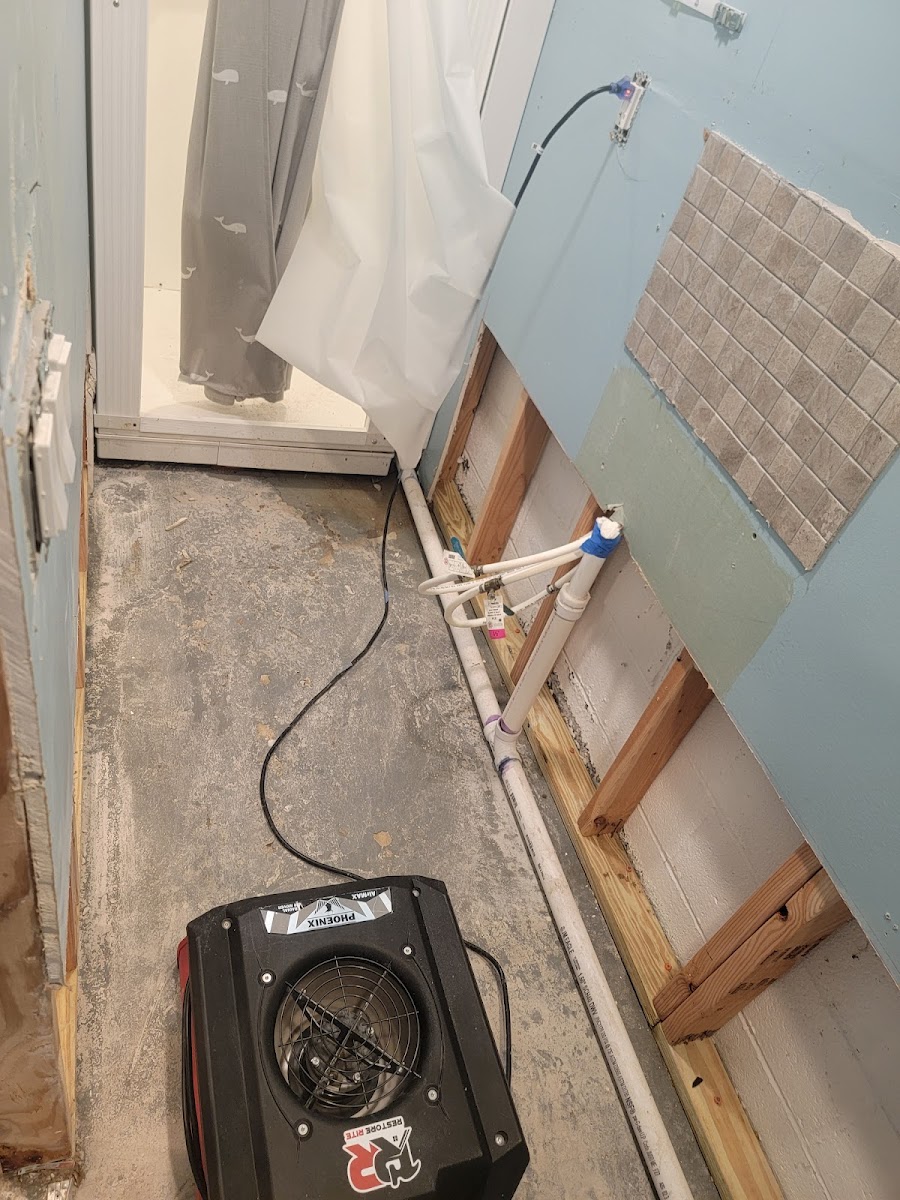
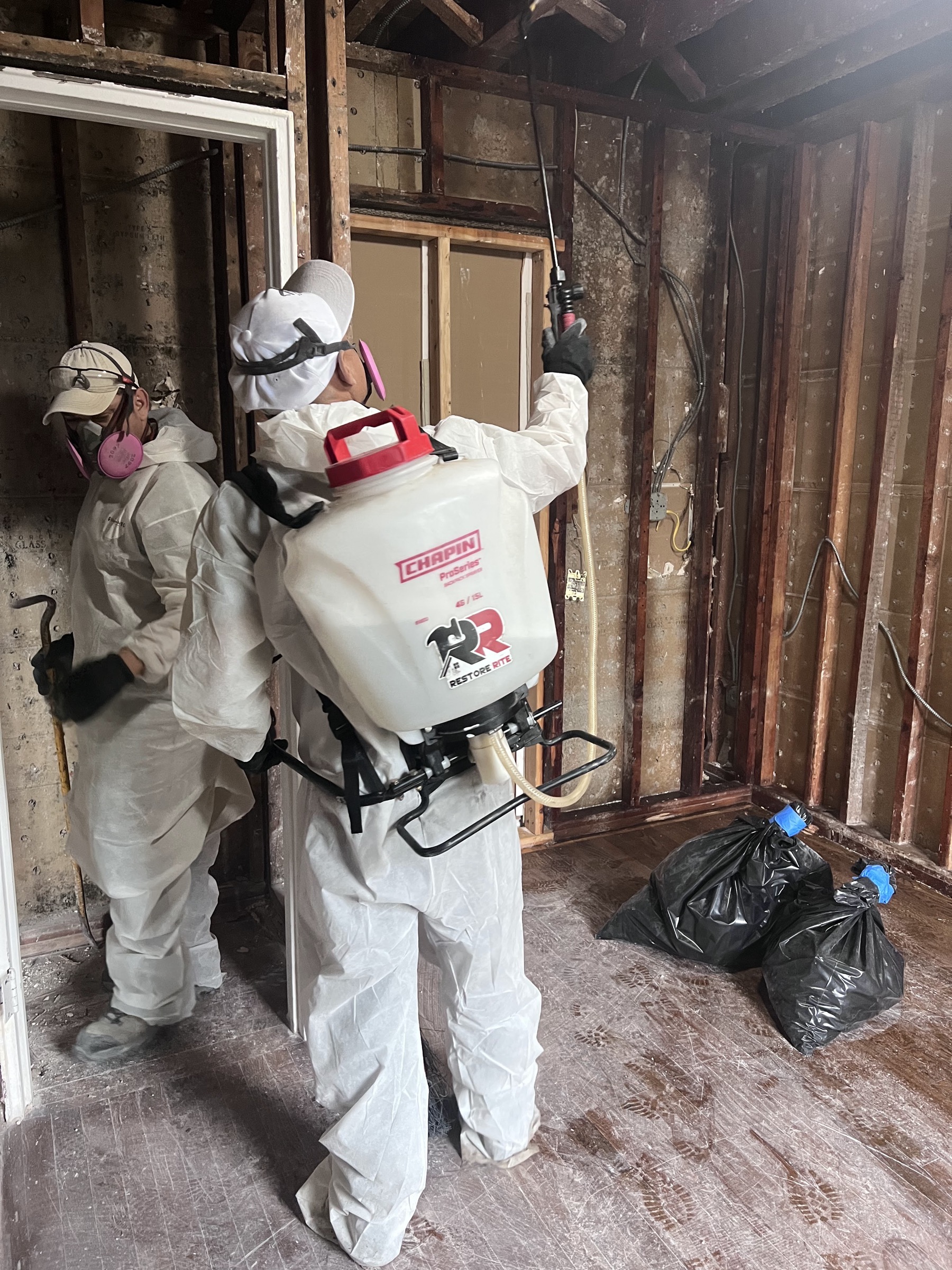
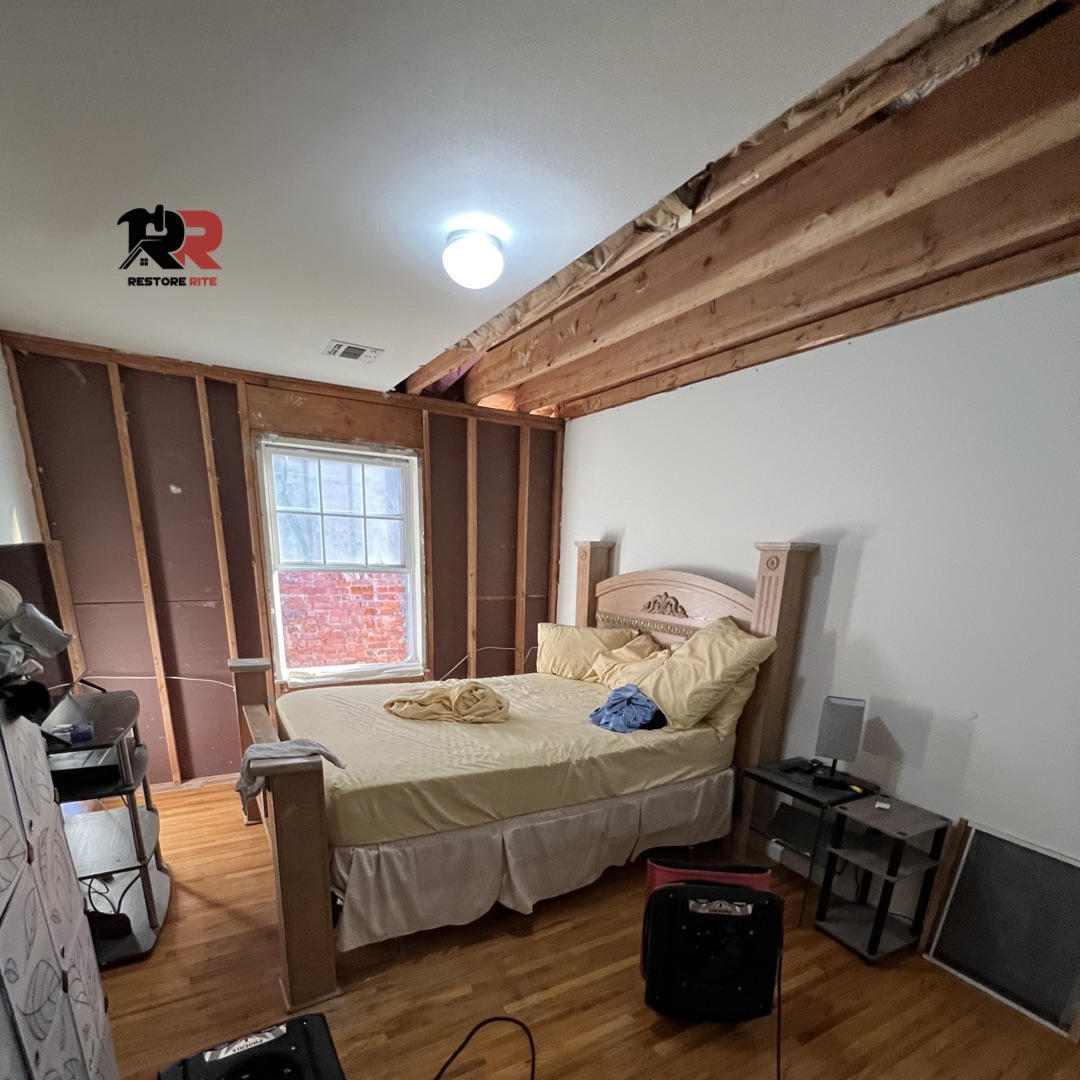
Remediation follows a controlled process — negative air pressure containment, HEPA filtration, removal of affected porous materials, antimicrobial treatment of remaining surfaces, and post-remediation verification before containment comes down. Technicians work in full PPE and document every phase for insurance and for the property owner's records.
"Remediation without fixing the moisture source is a temporary fix — not a solution."
What's included
What does every mold remediation job include?
Trained remediation technicians
Proper PPE, containment protocols, and disposal procedures on every mold remediation job.
Negative air containment
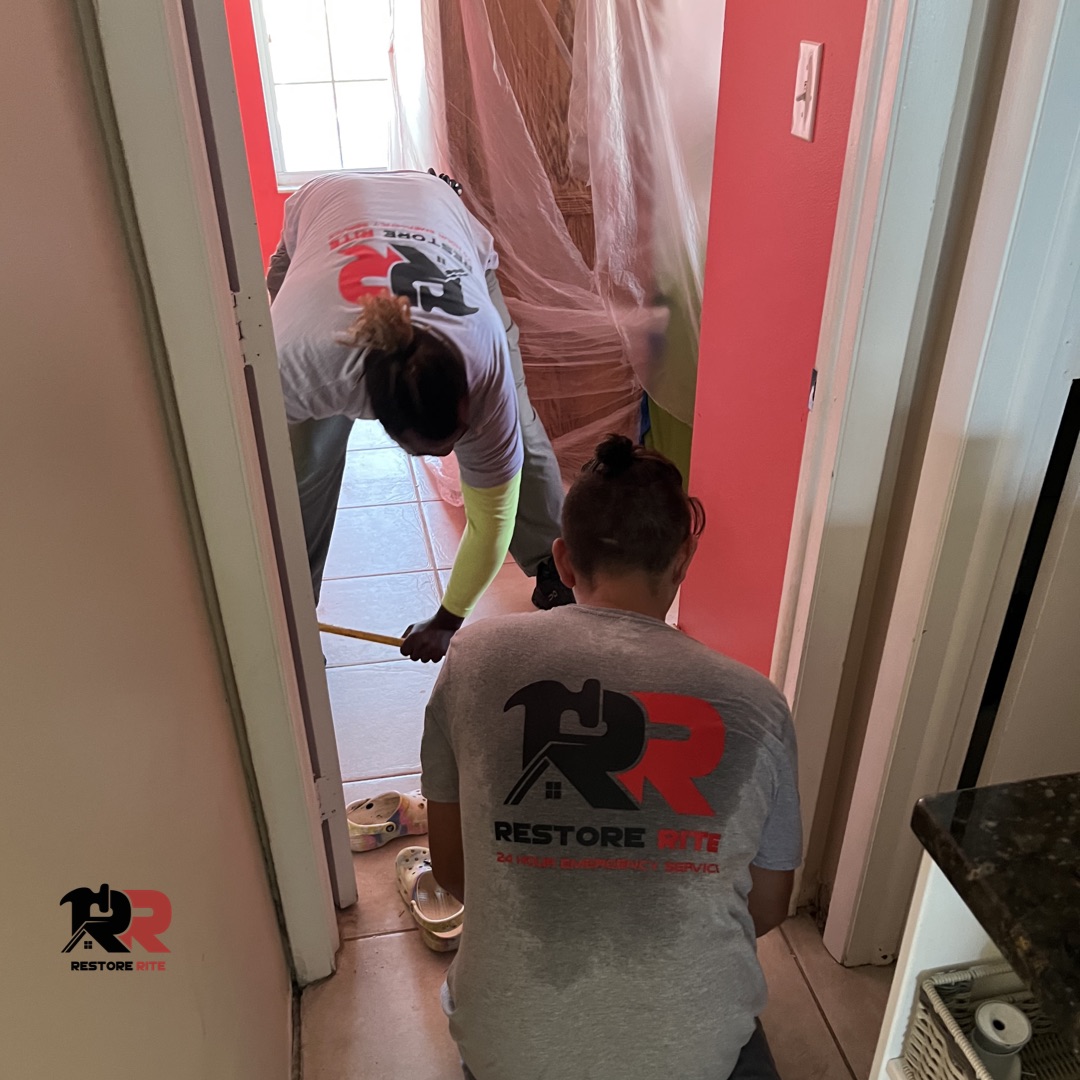
Physical barriers and HEPA-filtered negative air pressure prevent mold spores from migrating into unaffected areas during removal.
Moisture source identification
Leak detection and humidity assessment to find what caused the growth. Active water issues are resolved through water damage restoration.
Material removal and cleaning
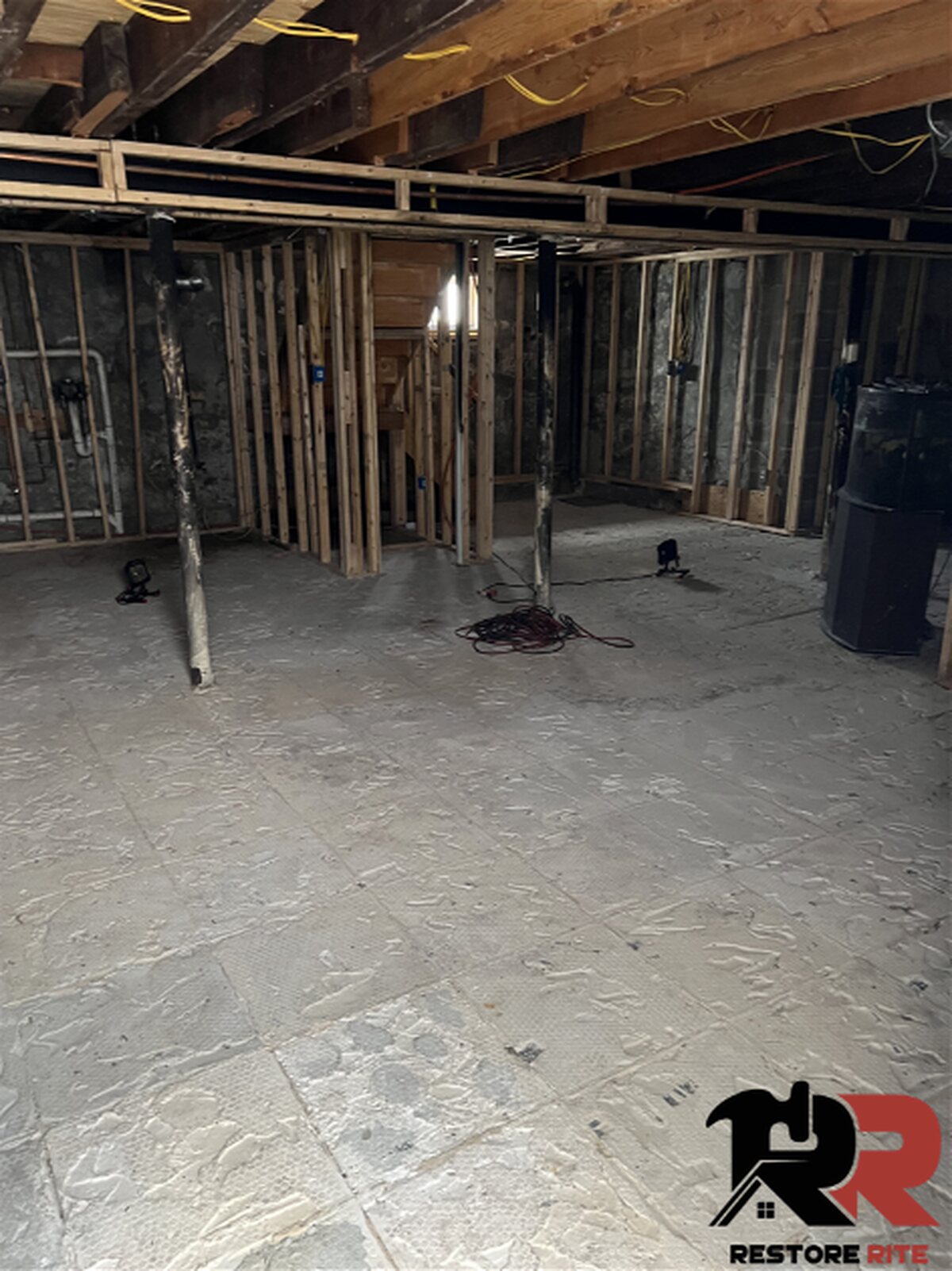
Contaminated drywall, insulation, and porous materials removed. Hard surfaces cleaned and treated with appropriate antimicrobial agents.
Humidity control
Dehumidification during and after remediation to bring indoor humidity below the threshold where mold can re-establish.
Clearance documentation
Post-remediation verification and documentation for insurance files and for property owners planning the rebuild phase.
Where mold commonly appears
Which mold situations does Restore Rite remediate?
- Basement and crawlspace mold after flooding or humidity
- Mold behind walls after an undetected pipe leak
- Bathroom and kitchen mold from poor ventilation
- Attic mold from roof leaks or inadequate insulation
- Post-flood mold in properties not fully dried in time
- HVAC closet and duct-adjacent contamination
Before remediation starts
What does a mold inspection cover?
A mold inspection identifies the extent of visible and hidden growth, the moisture source, and the containment strategy required. The scope is explained before work begins — including which materials will be removed, what can be cleaned in place, and how long the project is expected to take.
Inspections are free and carry no obligation. If the underlying issue is active water intrusion, drying and extraction are handled first before containment begins.
Common questions
Questions about mold remediation in the Tri-State area
When is mold remediation required in New York?
Mold remediation is required when visible growth covers more than 10 square feet in NY workplaces under OSHA guidelines, and whenever growth indicates an active moisture problem in occupied homes. Restore Rite follows documented containment and removal protocols on every job.
How does Restore Rite contain mold during remediation?
Affected areas are sealed with polyethylene barriers under negative air pressure with HEPA filtration. Contaminated porous materials are removed, hard surfaces are cleaned and treated, and post-remediation verification is documented before containment is removed.
Does mold remediation fix the underlying moisture problem?
Remediation includes moisture source identification — active leaks are resolved through water damage restoration before or during the mold project. Without fixing the moisture source, mold returns regardless of how thoroughly the visible growth is removed.
Is a mold inspection free with Restore Rite?
Restore Rite offers free mold inspections with no obligation to proceed. The inspection covers visible and accessible growth, likely moisture sources, and a written scope before work begins. Schedule by calling (877) 537-3786.
What areas does Restore Rite cover for mold remediation?
Mold remediation is available across NY, NJ, and CT — including New York City boroughs and northern New Jersey such as Jersey City, Bayonne, and Newark. Dispatch is confirmed on each call.
When mold becomes viable
How quickly can mold colonize after a water event?
A water event that isn't fully dried is the most common precursor to a mold problem. If a leak, flood, or humidity issue was recently resolved but growth is now visible, remediation should start before the affected area expands into adjacent rooms or behind more walls.
Mold discovered?