Storm damage restoration
Secure the property before the next rain makes it worse
Emergency board-up, roof tarping, debris removal, and structural stabilization after wind, hail, heavy rain, or tree impact leaves a building exposed across the Tri-State area.
After the storm passes
What happens when storm damage leaves a building unsecured?
A missing section of roof, a broken window, a tree through the siding — each one leaves the interior open to the next rain, wind gust, or overnight temperature drop. Storm damage restoration starts with stabilization: board up openings, tarp exposed roof areas, remove debris blocking access, and document everything before secondary water damage sets in. Same-day board-up across the Tri-State area starts at (877) 537-3786.
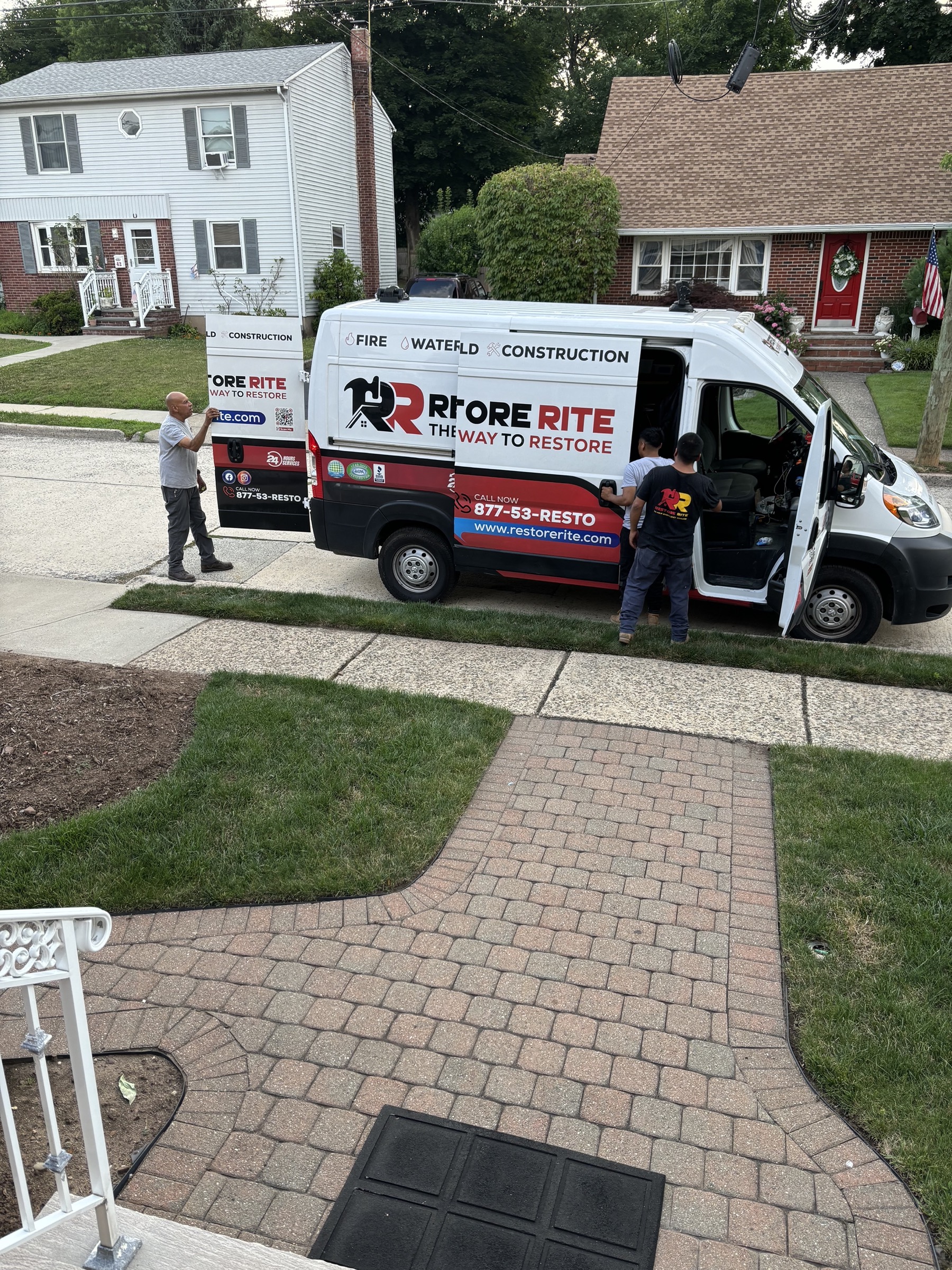
Restore Rite responds to storm losses across residential and commercial properties throughout the Tri-State area. Crews arrive with board-up materials, tarps, and extraction equipment for any water that already entered the structure. Once the property is secured, a full scope assessment determines the path from emergency protection through cleanup to full restoration.
"Every hour a roof stays open is another hour water can reach places it shouldn't."
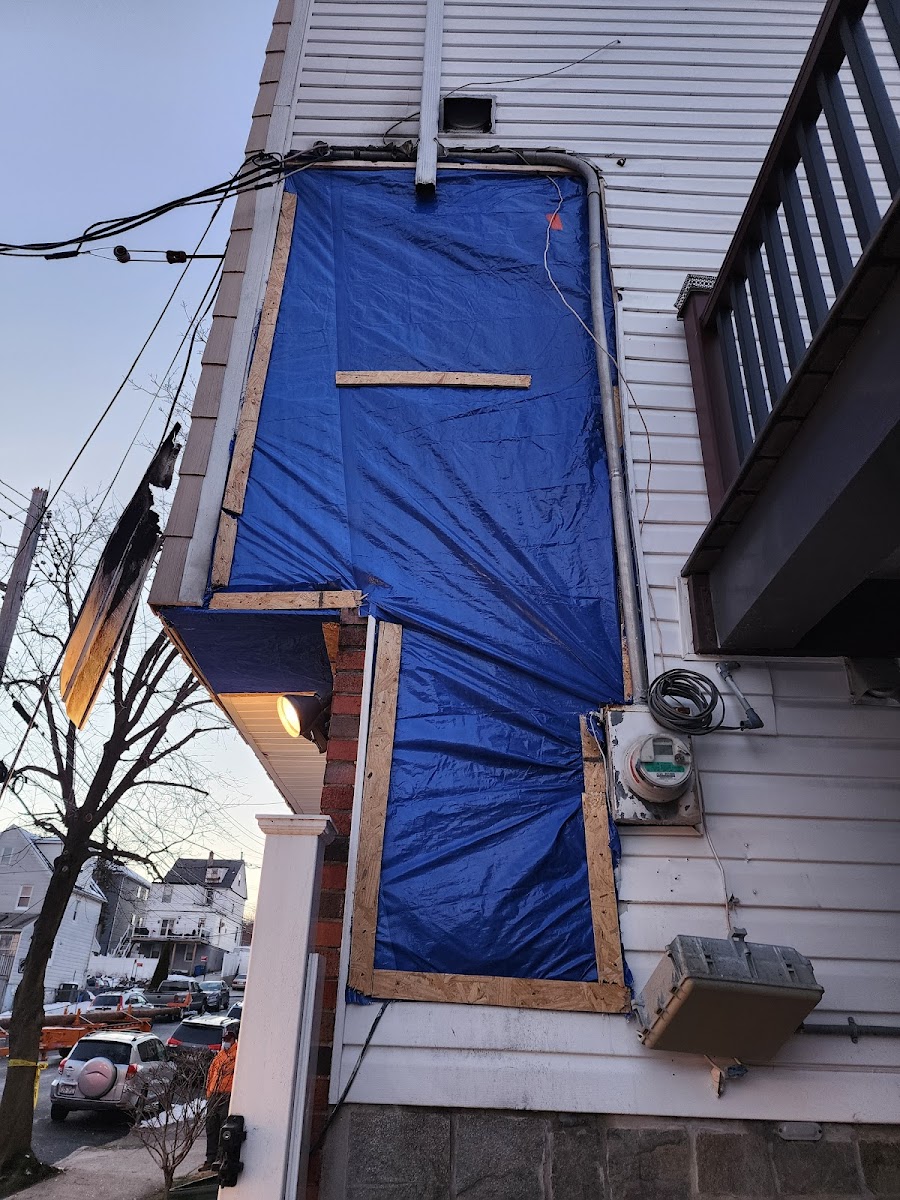
What's included
What does every storm damage job include?
Emergency board-up
Broken windows, doors, and wall openings secured with plywood and weather-resistant barriers the same day as the call.
Roof tarping
Heavy-duty tarps secured over damaged roof sections to stop rain intrusion until permanent repairs can be scheduled.
Water extraction when needed
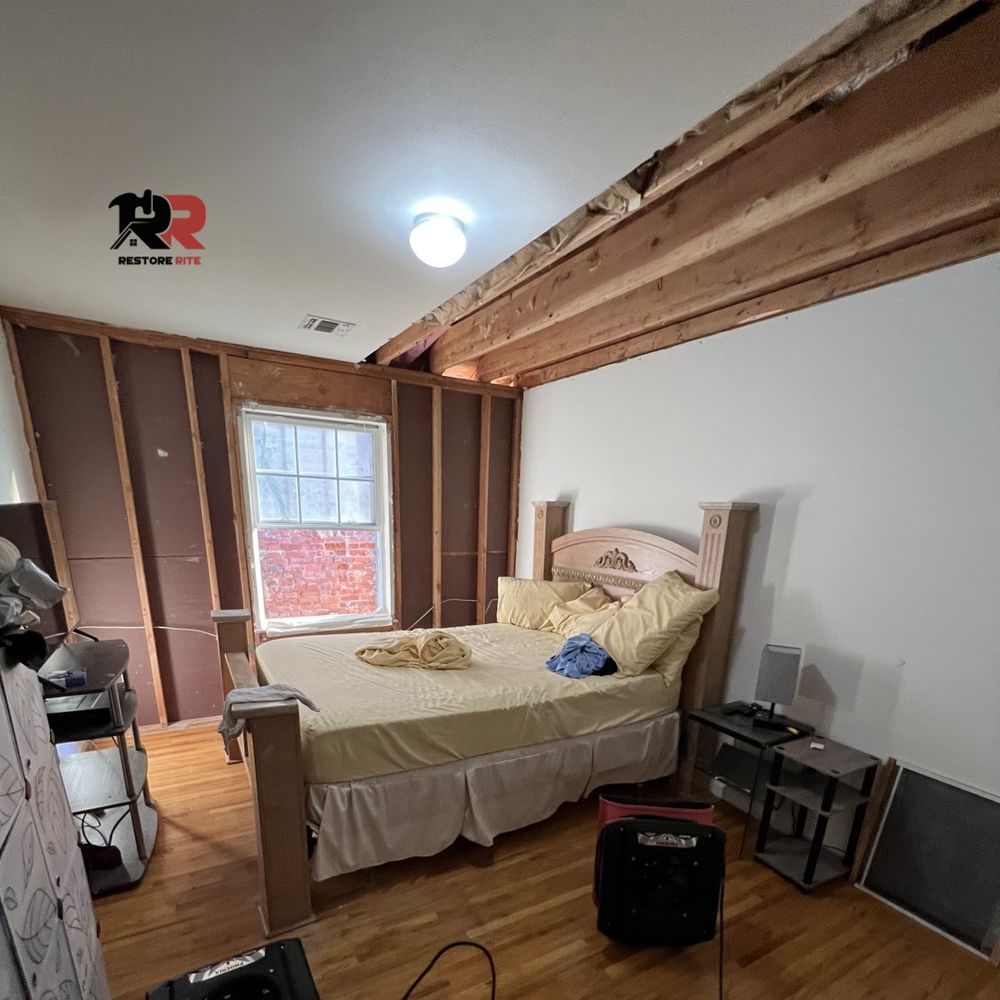
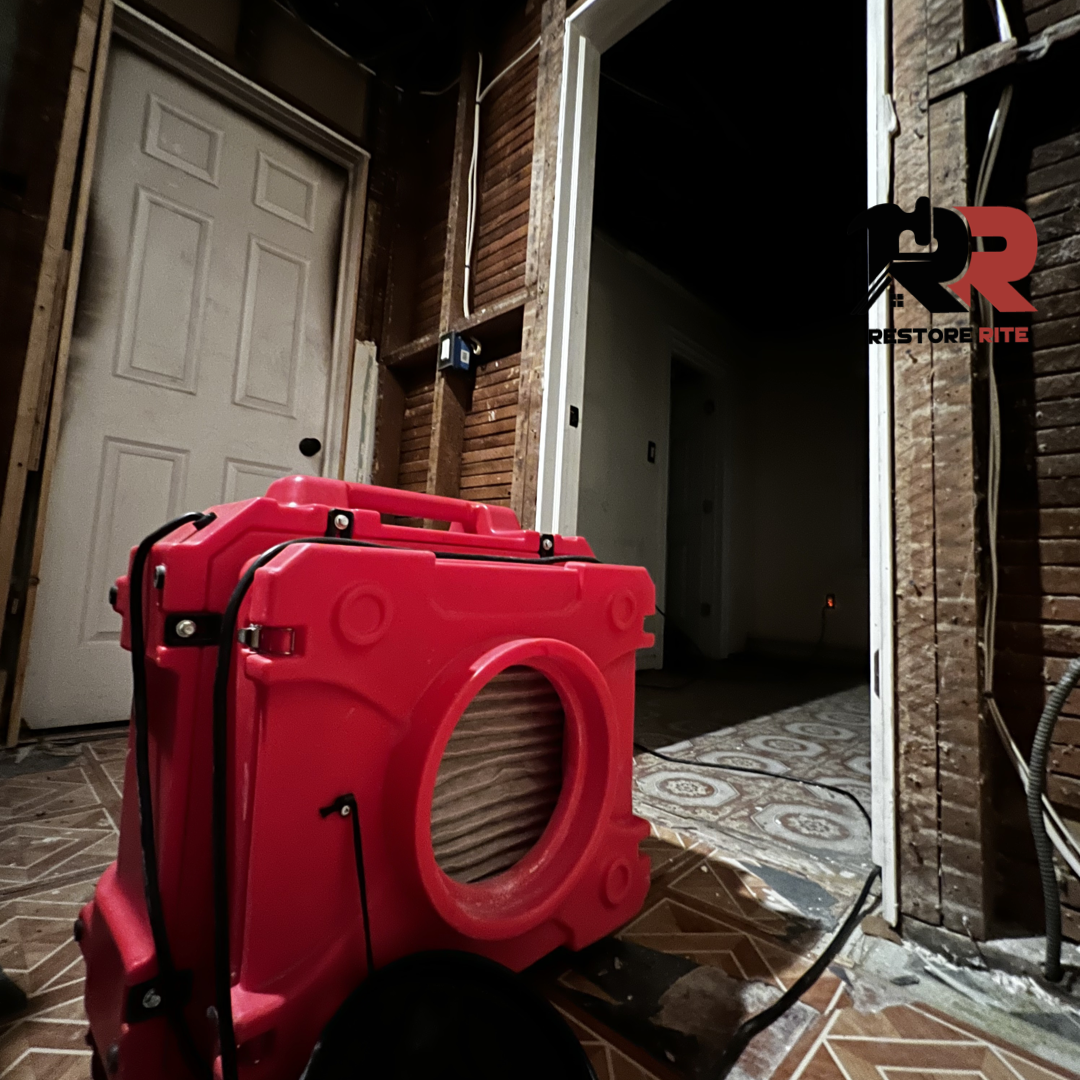
Storm-driven water removed and structures dried before mold risk increases. Full process via water damage restoration.
Debris removal
Fallen trees, broken materials, and storm debris cleared from the property and documented for the insurance claim.
Insurance documentation
Photo logs of all exterior and interior damage, board-up records, and scope reports formatted for adjuster review.
Full restoration and rebuild
Roofing, siding, drywall, and interior finish work to return the property to pre-storm condition after emergency work is complete.
Common storm loss types
Which storm damage situations does Restore Rite handle?
- Roof damage from wind, hail, or fallen trees
- Broken windows and siding from wind-driven debris
- Basement and ground-floor flooding after heavy rain
- Tree impact damage to structure and roofline
- Power line and fence damage from storm events
- Multi-unit buildings with storm damage across several units
Large storm events
What happens when storm damage exceeds a single crew?
Major storm events often affect multiple units or large sections of a commercial building at once. Restore Rite coordinates multi-crew response, phased board-up and cleanup, and insurance documentation across zones through its large-loss disaster recovery service.
For properties where storm damage exposed the interior to water, mold prevention drying starts immediately after board-up — before a separate mold remediation project becomes necessary.
Common questions
Questions about storm damage restoration in the Tri-State area
What should a property owner do immediately after storm damage?
Document visible damage with photos, avoid entering structurally compromised areas, and call for emergency board-up and roof tarping before the next rain event. Restore Rite secures openings and removes debris the same day in most Tri-State locations.
Does Restore Rite provide emergency roof tarping after a storm?
Yes. Heavy-duty tarps are secured over damaged roof sections to stop rain intrusion until permanent repairs are scheduled. Tarping is documented for insurance claims with photo logs of the damage underneath.
Will storm damage lead to mold if not addressed quickly?
Water entering through a damaged roof or broken window can cause mold within 24 to 48 hours if not dried. Restore Rite extracts storm-driven water and begins structural drying as part of the same emergency response when intrusion has occurred.
Does insurance cover storm and wind damage restoration?
Wind, hail, and storm-related structural damage is commonly covered under homeowners policies — flood-driven water may require separate flood coverage. Restore Rite documents all damage types with photos and scope reports for adjuster review.
How fast can Restore Rite reach a storm damage call in the Tri-State area?
Restore Rite operates 24/7 with crews staged for Tri-State dispatch. Same-day board-up and site stabilization is standard for active storm losses across New York and New Jersey. Call (877) 537-3786 to confirm availability.
Secondary damage risk
How quickly can storm damage spread without board-up?
Board-up and tarping done the same day as the storm limits how far water intrusion spreads — and how much of the interior ends up needing demolition instead of drying. Calling before the next weather event is the difference between a contained loss and a much larger one.
Storm damage right now?